Machine Scope Review
We translate capacity goals, part envelopes, tolerance needs, and operator constraints into a concise equipment scope that buyers and plant engineers can both read.
Services
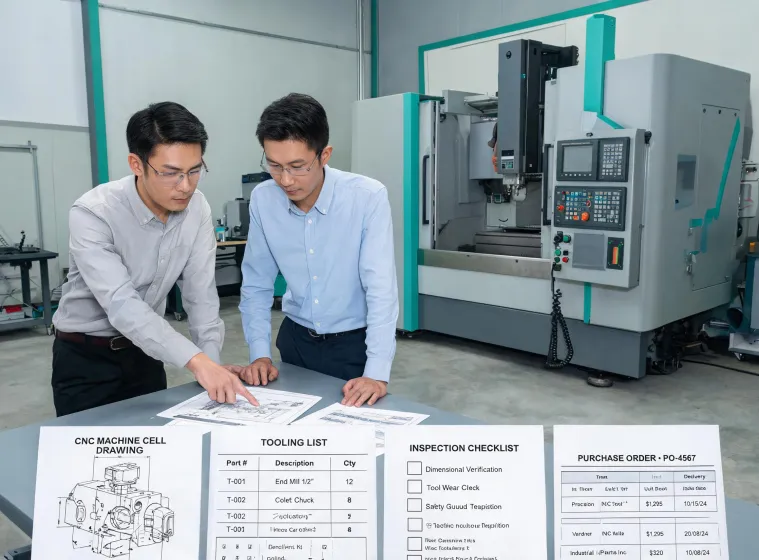
Haas Automation supports tooling, equipment, and machinery buyers who need a controlled path from a rough production requirement to a purchase order that can be repeated. The service model is deliberately compact: define the machine cell, normalize the tooling list, document the inspection and receiving requirements, and return a quote packet that does not bury the decision in scattered email threads. This is useful for maintenance teams refreshing older CNC cells, contract manufacturers expanding a proven work center, and procurement groups that must keep capital equipment, accessories, and consumables aligned under one approval process.
Instead of treating every request as a blank custom project, our team builds a reusable procurement record. It captures the part families, materials, spindle and workholding constraints, operator expectations, inspection notes, freight assumptions, and reorder triggers that shaped the original recommendation. When the next release arrives, your team can update quantities or timing without rebuilding the entire specification from memory.
Four service lanes
We translate capacity goals, part envelopes, tolerance needs, and operator constraints into a concise equipment scope that buyers and plant engineers can both read.
Cutting tools, holders, workholding, probing, coolant, and setup accessories are grouped by operation so the quote is not separated from the real production method.
Serial references, inspection expectations, safety notes, and installation prerequisites are assembled before shipment so receiving teams are not chasing basic records after delivery.
Consumables, spare assemblies, and upgrade items are tagged with reorder signals, approved equivalents, and revision notes for future purchasing cycles.
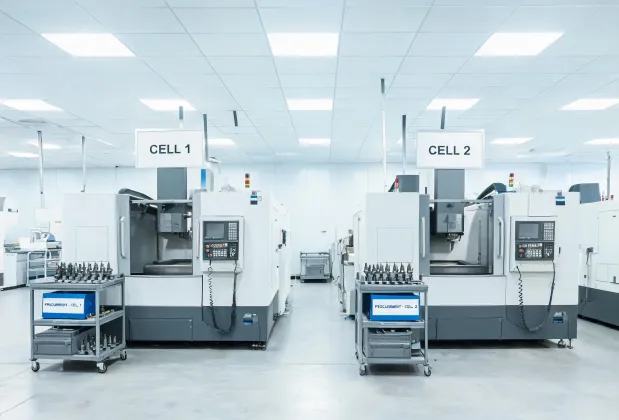
A regional machining group needed a second cell that matched an existing workflow without copying outdated purchase notes. Haas Automation converted the old fixture list, toolholder set, probing needs, and receiving checklist into a controlled package. The buyer received a side-by-side approval table, while manufacturing engineering received a concise change list that explained what was retained, what was updated, and what should be reviewed before install.
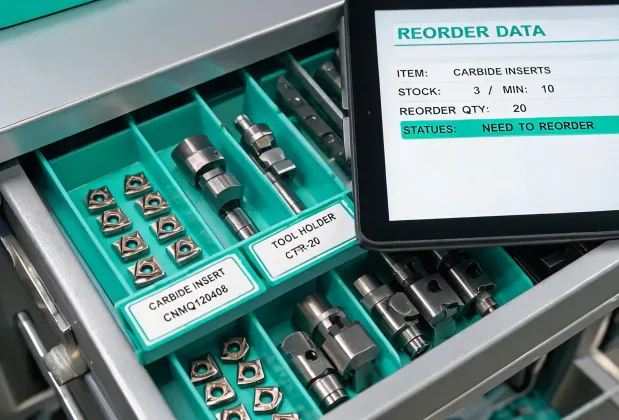
A buyer inherited mixed supplier lists for holders, inserts, probes, and setup tools. We grouped the line items by machine, operation, and consumption pattern, then separated critical spares from routine consumables. The result was a shorter purchasing review, fewer duplicate equivalents, and a practical reorder rhythm that maintenance and procurement could both accept.
Service request
We can start from a machine model, part family, tooling spreadsheet, or production bottleneck. The first response will organize what is known, what needs confirmation, and which purchasing lines can be quoted immediately.